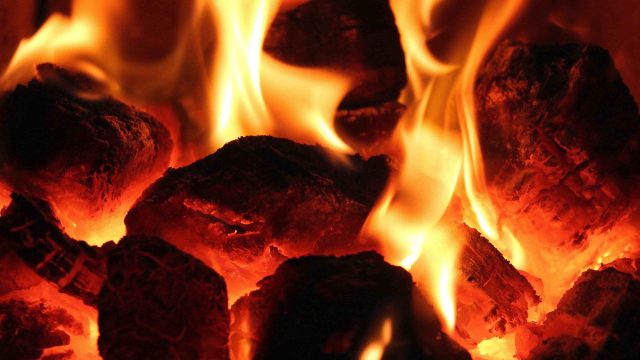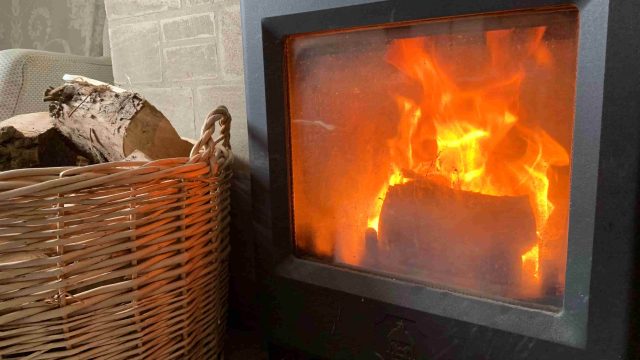
There’s nothing quite like the warmth of a log burner on a cold evening. However, getting a fire started isn’t always straightforward. Damp logs, insufficient airflow and stubborn kindling can turn a simple task into a frustrating experience.
Learning how to light a log burner correctly makes a real difference. With dry fuel, the right preparation and an effective lighting technique, you can get your stove burning efficiently with less smoke and wasted fuel. This guide explains traditional lighting methods and how an electric firelighter can make the process easier, even without kindling.
Step-by-Step Guide to Successfully Lighting a Log Burner
A successful fire needs three things: adequate heat, sufficient oxygen and suitable fuel. Understanding how these work together is the key to reliable ignition.
Understanding Your Log Burner Before You Begin
Key Components That Affect Lighting
The firebox is the enclosed chamber where the logs burn. Its arrangement influences how quickly a fire establishes itself, so leave enough room for air to move around the wood.
The chimney and flue carry smoke and combustion gases out of the property. As hot gases rise, they create the draught that draws fresh air into the stove. Poor draught can make lighting difficult and cause smoke to spill into the room.
Air vents regulate the oxygen reaching the fire. Some stoves have separate primary and secondary controls; others have a single combined control. The stove door should close and seal properly to maintain controlled combustion. Always follow your stove manufacturer’s instructions because controls and lighting procedures vary.
Essential Equipment Checklist
- Dry firewood: appropriately sized logs with a moisture content of 20% or less.
- Kindling: small, dry sticks if using a traditional lighting method.
- Suitable ignition source: firelighters or an electric firelighter that can ignite solid fuel directly.
- Fireplace tools: a poker, ash shovel and suitable heat-resistant gloves.
- Safety equipment: a correctly installed, working carbon monoxide alarm and appropriate fire safety equipment.
Preparing the Log Burner for Lighting
Checking and Clearing the Firebox
Inspect the stove before lighting it. Remove excessive ash, especially where it blocks air inlets or grates. Many wood-burning stoves benefit from a thin layer of ash on the firebed, although you should follow your appliance instructions rather than assuming this applies to every stove.
Look for damaged components, debris or heavy deposits that might obstruct airflow. Check that the door closes securely. Your chimney and flue must also be clear and in good working order; if you suspect a blockage, soot accumulation or a draught problem, have them inspected and swept before using the stove.
Selecting and Preparing Your Firewood
Moisture content is crucial. Wet logs use considerable energy evaporating water before they can burn effectively. That means slower ignition, less useful heat and more smoke and deposits in the chimney. Choose properly seasoned or kiln-dried wood with a moisture content of 20% or less. In the UK, look for Ready to Burn certification, or check home-seasoned logs with a moisture meter.
Hardwoods such as oak, ash and beech are good choices for sustained heat when properly dried. Smaller split logs generally catch more easily than large pieces. If lighting traditionally, prepare enough dry kindling to develop a strong flame before the larger logs need to burn. An electric firelighter can reduce or eliminate the need for separate kindling.
The Lighting Process: Building and Igniting the Fire
Setting Up the Kindling and Log Structure
The top-down method places larger logs at the bottom and smaller fuel above. The kindling burns first, gradually heating the logs beneath and helping to establish an upward draught. When built correctly, it can reduce smoke during initial lighting.
- Place two small logs at the bottom of the firebox, leaving a gap for air.
- Lay several pieces of kindling across the logs, then add a second layer of finer kindling.
- Put an appropriate firelighter within the upper kindling, following the stove instructions.
- Set the air controls to the recommended lighting position and ignite the firelighter.
- Allow the flames to spread through the kindling and down to the larger wood.
Avoid packing the fuel tightly. Air needs to circulate throughout the fire, and excessive newspaper can create unnecessary smoke and ash.
Using an Electric Firelighter for Reliable Ignition
An electric firelighter offers an alternative to matches, newspaper and disposable chemical firelighters. The Grenadier Electric Firelighter uses a heating element and fan to direct concentrated hot air towards the solid fuel, helping it reach ignition temperature.
One advantage is that it can light suitable dry logs directly, so you do not necessarily need to prepare kindling. This is particularly convenient if you regularly use your log burner and would prefer a repeatable method without disposable firelighters.
- Arrange suitably sized, dry logs so that air can pass between them.
- Set the stove’s air controls to its recommended lighting position.
- Position the electric firelighter safely as directed by its manufacturer, with the hot-air outlet aimed at the fuel.
- Operate it according to the supplied instructions until the wood starts to ignite and can sustain a flame.
- Switch it off and remove it safely as instructed, allowing hot components to cool before storage.
The exact lighting time depends on wood moisture, log size, airflow and stove design. Never leave the electric firelighter unattended or position it in a way that conflicts with either the stove or firelighter instructions. Importantly, an electric firelighter cannot make wet fuel or an obstructed flue safe to use.
Managing Airflow During the Ignition Phase
A developing fire needs plenty of oxygen. Set the relevant air vents to the manufacturer’s recommended starting positions, often fully open for initial ignition. As the fire heats the chimney, an upward draught develops and draws fresh air through the appliance.
Certain stove manufacturers permit the door to be left slightly ajar briefly while lighting, but this should only be done if the instructions explicitly allow it. Never leave the stove unattended with the door open. Once the logs are burning well, fully close the door and adjust the air supply gradually. Closing the vents too soon can cause the fire to smoulder and smoke.
Controlling and Maintaining the Fire After Ignition
Transitioning from Kindling to Full Log Combustion
When the kindling is burning strongly and the initial logs have started to catch, the fire can move towards sustained log combustion. Add larger logs gradually instead of filling the stove immediately. Too much cold fuel at once can reduce the firebox temperature and smother the flames.
Place the logs with enough space between them for air to circulate. Bright, active flames are generally a better sign of combustion than a sluggish, smoky fire, although the appearance will vary according to the stove and the stage of burning. Make sure the door is securely closed once the fire is established.
Regulating Air Vents for Optimal Heat Output and Burn Rate
Primary air usually reaches the fuel bed from below or nearby, while secondary air generally enters higher in the firebox to help burn gases released by the wood. Some stoves have additional air systems or a combined control, so refer to the appliance instructions for the correct settings.
As the fire becomes established, gradually reduce the air supply to achieve a steady, efficient burn. Do not close the vents excessively to keep the fire going for longer: oxygen-starved wood can smoulder, waste heat and increase soot and creosote deposits. The goal is a controlled, lively flame with little visible smoke.
Adding Logs and Sustaining the Fire
Refuel while a useful bed of glowing embers remains. These embers help new logs ignite without needing to restart the fire. Open the air controls as recommended, then open the stove door carefully and gradually to minimise smoke spillage.
Place one or two suitably sized logs on the embers, taking care not to overload the stove or obstruct airflow. Close the door and allow the new fuel to catch before returning the air controls to their normal setting. Excessive smoke, dying flames or unexpectedly low heat output are signs that the fuel, airflow or appliance may need attention.
Troubleshooting Common Lighting Problems
Fire Won’t Ignite or Keeps Going Out
The most common causes of failed ignition are wet firewood, insufficient kindling and inadequate airflow. Damp logs may hiss, smoke heavily and take a long time to ignite. Check the wood’s moisture content and try smaller, properly dried pieces.
With a traditional method, too little kindling may burn away before the logs reach ignition temperature. Try a more generous arrangement of small, dry pieces. If the chimney is not drawing properly, however, do not simply keep relighting the fire: investigate the cause and arrange professional advice if a blockage or reversed draught is suspected.
An electric firelighter helps avoid the inconsistencies of damp newspaper or disposable firelighters because it applies heat directly to the fuel. It does not solve wet wood, faulty ventilation or chimney defects.
Excessive Smoke Inside the Room
A cold chimney can delay the establishment of an upward draught and cause smoke to spill back into the room. Some electric firelighters can assist with pre-warming a flue where the design and product instructions permit it, but do not improvise by placing electrical equipment inside a stove or pointing it towards vulnerable components.
Incorrect door handling, inadequate ventilation or a restricted chimney can also cause smoke spillage. If smoke enters the room repeatedly, stop using the stove and have the installation checked. Smoke spillage should not be treated as a normal part of lighting a log burner.
Poor Heat Output After Lighting
If your fire lights but produces disappointing heat, first check the fuel. High-moisture logs waste energy evaporating water instead of heating the room. Air controls that are closed too far can create a smoky, low-temperature fire, while overloading the firebox can restrict circulation.
Follow the stove instructions to restore adequate airflow and use dry fuel in suitable quantities. If hot embers remain, a modest addition of smaller logs may revive the fire. Never direct an electric firelighter at loose hot ash or a burning fire unless the appliance instructions expressly allow that use.
Fire Safety Principles for Log Burner Use
Before, During, and After Lighting
Check that your carbon monoxide alarm is correctly installed and operational. Carbon monoxide is invisible and odourless, so an alarm is an important safeguard, alongside proper installation, servicing and ventilation.
Never use petrol, paraffin, methylated spirits or other flammable liquids to start or revive a fire. Keep furniture, curtains and stored fuel well away from hot surfaces, and use suitable gloves and tools when adjusting the stove or handling logs.
Allow ashes to cool completely before disposal. Transfer them to a suitable lidded metal container kept outdoors, well away from combustible materials. If your carbon monoxide alarm sounds, leave the property and follow emergency guidance. Do not reuse the appliance until a competent professional confirms that it is safe.
Preventing Chimney Fires Through Correct Lighting Habits
Burning damp wood or restricting air supply excessively can encourage soot and creosote to accumulate in the chimney. These combustible deposits can contribute to chimney fires. Use dry wood, establish a strong flame and avoid leaving the stove smouldering for long periods.
Safe burning habits do not replace chimney maintenance. Arrange regular sweeping and stove inspections at intervals appropriate to your appliance and usage. For UK guidance on responsible solid-fuel burning, visit HETAS.
Make Lighting Your Log Burner Easier with Grenadier
Lighting a log burner need not be a struggle. With a clear firebox, dry fuel and properly managed airflow, you can establish a fire more reliably and maintain steady heat. The traditional top-down method remains effective when you have suitable kindling available.
If you would rather avoid preparing kindling and using disposable firelighters, an electric firelighter provides a convenient alternative. The Grenadier Electric Firelighter directs concentrated hot air towards solid fuel, helping dry logs ignite without newspaper or chemical firelighters.
Find out more about the Grenadier Electric Firelighter and make lighting your log burner part of the pleasure of a warm evening, rather than a chore.